
In an increasingly complex digital world, we often find ourselves asking, “wait… what?” Tools like AI or social media — and challenges such as misinformation or online hate — can seem difficult to navigate. This is why FVRL is partnering with MediaSmarts to provide helpful advice about being online in changing times.
What is Media Literacy Week?
Media Literacy Week is a national event hosted by MediaSmarts to promote digital media literacy, with activities and events taking place in classrooms, libraries, museums and community groups from coast to coast to coast. This year’s 20th anniversary edition takes place from October 27 to 31.
The event features Digital Citizen Day on October 29, an exciting initiative encouraging everyone to engage and share responsibly in our digital world.
Break the Fake: What's Real Online Workshop:
Wednesday, October 29, 10 am–11 am
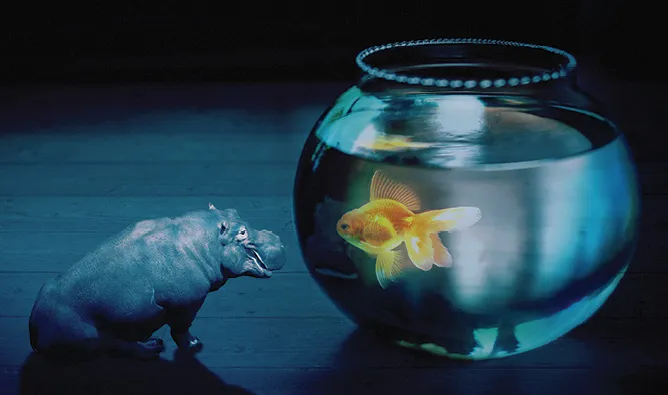
This workshop encourages students to critically analyse online content. Using the house hippo video as a starting point, participants examine how images and stories can be misleading and learn strategies to distinguish fact from fiction online. After the session, educators can choose to use the house hippo colouring sheet to reinforce what was learned. Suitable for Grades 4 and 5.

Explore the Future of AI With Tech Expert Avery Swartz
Pre-recorded webinar on YouTube
Avery Swartz, digital pioneer and founder of Camp Tech, provides an insightful look into the rapidly evolving landscape of machine learning and generative AI. With a blend of expertise and humour, Avery offers a high-level overview of how this technology functions, and demonstrates the game-changing potential of generative AI tools like ChatGPT. The discussion goes beyond the hype to examine AI's complex ethical terrain. You'll learn how to navigate issues like bias, privacy and copyright concerns as you harness AI's remarkable capabilities responsibly.
Suggested Reads
Media Literacy Week is a reminder to pause, question and think critically about the information we encounter every day. Explore these books and resources for adults and children to learn how media shapes our world — and how to navigate it with confidence.
Beanstack Online Reading Challenges
Stay motivated to read with FVRL's online challenges. Earn badges, complete activities and discover new books. This month, we are hosting media literacy-themed challenges for adults and kids. To start a reading challenge, visit FVRL's Beanstack page or download the Beanstack app.
Digital Citizenship Day
Digital Citizen Day is an annual event encouraging everyone to engage and share responsibly in our digital world. Use #DigitalCitizenDay on October 29, 2025, to help spread the word and improve our online spaces!
What is a digital citizen?
If you’re online, you’re a digital citizen! Being a responsible digital citizen is about navigating and interacting in online spaces respectfully, safely and with compassion.
How can I be a digital citizen?
Start by shaping the kind of internet you want to be part of.
- Spread positivity. Share content that uplifts and inspires.
- Think before you post. Would you say it face to face?
- Respect others. Disagree without being disrespectful.
- Speak up. Push back against hate, misinformation and cruelty online.
- Show empathy. Remember there’s a person behind every screen.
- Protect privacy. Yours and everyone else’s.
Media Literacy Skills and Resources
Four Skills to Help Navigate Information Sources
Use these tips to find out what’s true online:
- Use fact-checking tools. Try a professional fact-checker like Snopes. They may have already done the work for you.
- Find the sources. Find out where the information originally came from before you decide whether or not to trust it.
- Verify the source. To find out if the source is reliable, ask: Do they really exist? Are they who they say they are? Are they trustworthy?
- Check the other sources. Your source may be biased. Check other sources to find out what most of the experts think.
Recommended Resources
- MediaSmarts — Break the Fake: How to tell what's true online
- Simon Fraser University — The Disinformation Project
- Media Bias/Fact Check
- AFP Fact Check
- Snopes
FVRL Catalogue Search
Search FVRL’s online catalogue for more resources and information on media literacy. Try these search terms:
- Fake news
- Media literacy
- Critical thinking